How to Swipe Winning DTC Creatives & Reverse-Engineer Them for Your Clients
Studying high-performing brands like Golden Hippo gives you shortcut access to proven strategies. You’re not copying products — you’re copying thinking, structure, and emotion triggers.
If you want to scale info-products or DTC brands without guessing, the fastest shortcut is to study what’s already working. You don’t need to reinvent the wheel. You just need to steal the thinking, the structure, and the hooks — then adapt them to your niche. Here’s how.
Step 1: Find the Heavy-Hitters
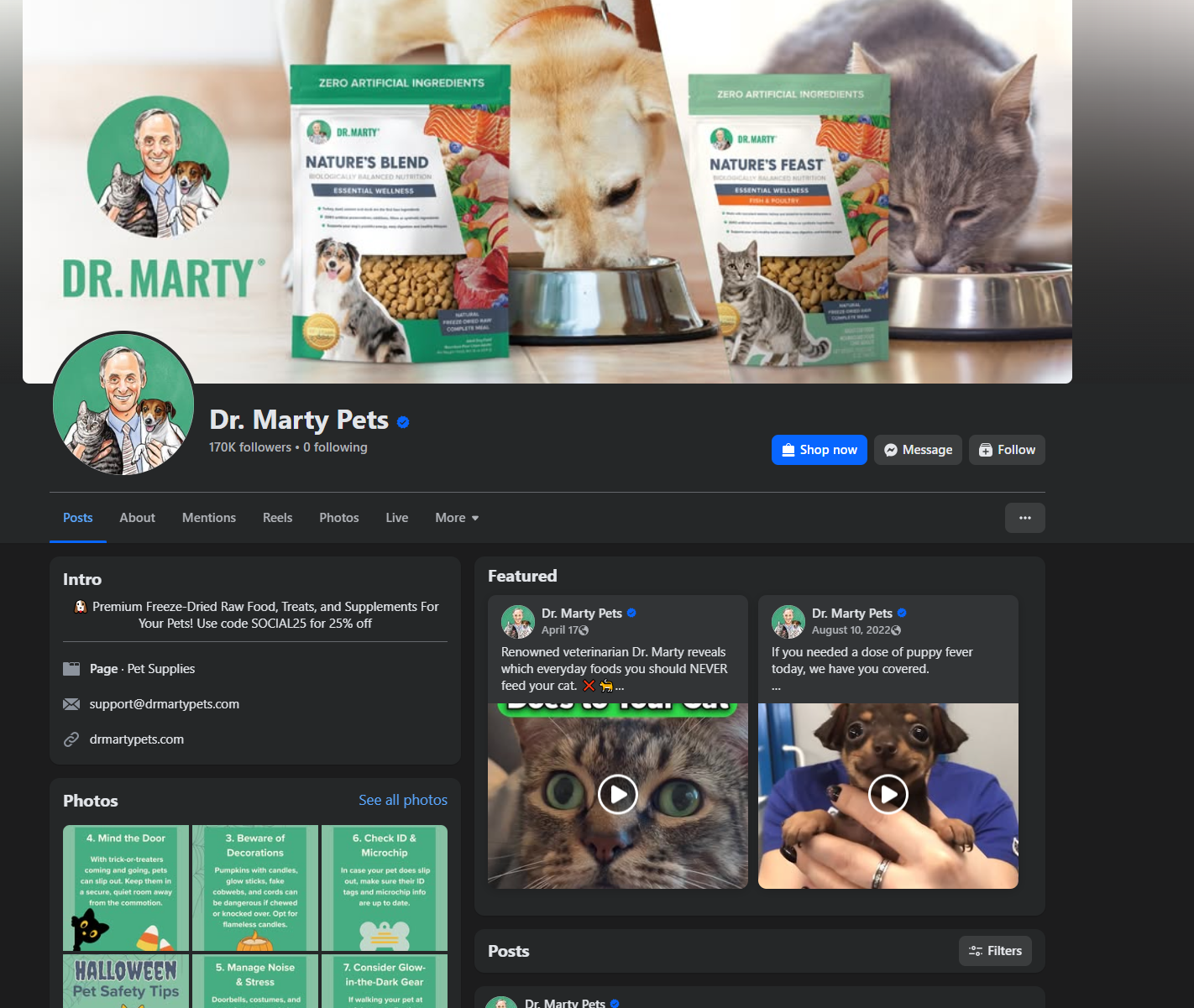
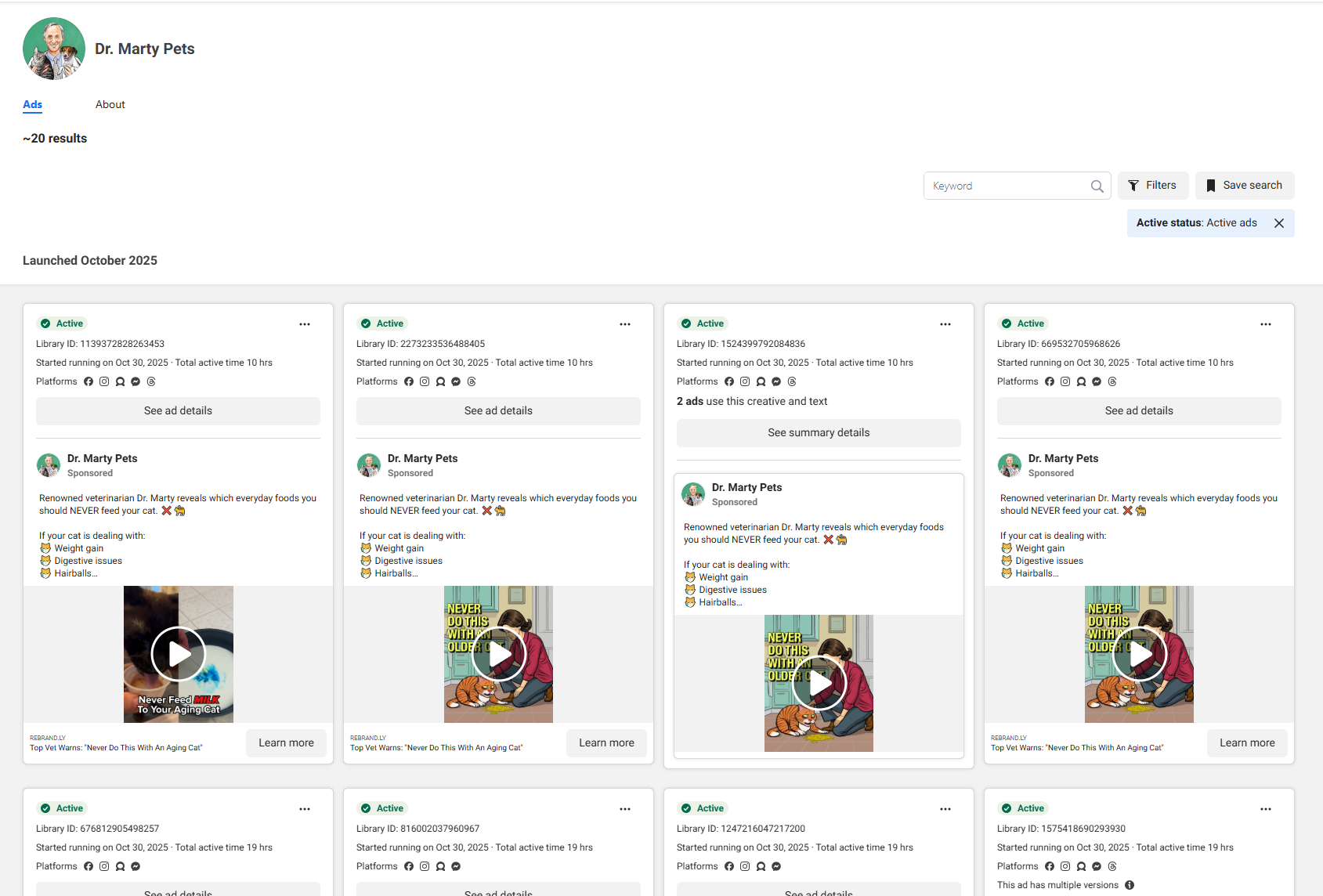
Start with brands that are crushing it. For example, Golden Hippo. Go to their site, check the “What We Do” section, and note the brands they’re scaling. Then, dive into their ad libraries — Meta, TikTok, wherever you can pull creatives.
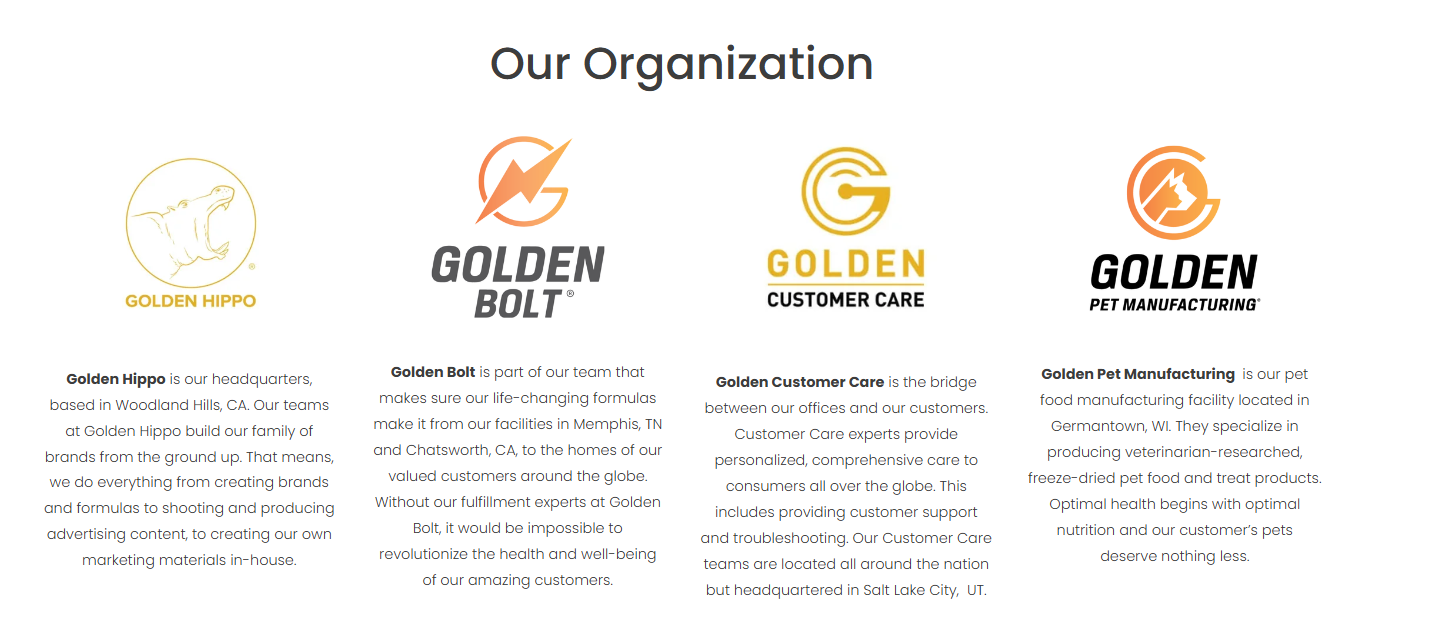
Here’s the key: it doesn’t matter if they’re in a different vertical. You’re not copying their product; you’re copying the structure of their ideas.
Other sources include tweets from insiders like @DTCMidas highlighting brands killing it right now. Collect a handful. Your brain needs to see patterns.
Step 2: Break Down Their Ads
Once you have the creatives, dissect every detail. Ask:
- Format: Video, carousel, static image?
- Hook: What grabs attention in the first 1–3 seconds?
- Message: Pain point, desire, or big promise?
- Proof: Testimonials, reviews, badges, influencers?
- CTA: How clear is the action they want you to take?
- Style & Branding: Colors, tone, visuals.
- Copy: Headlines, body text, overlays.
You’re not just watching ads — you’re reading them like a blueprint.
Step 3: Reverse-Engineer the Thinking
This is where the magic happens. For each creative, figure out:
- What core problem or desire are they hitting?
- How are they positioning the product or brand?
- Which emotional triggers are they using? Fear, desire, FOMO, novelty, social proof?
- What structural template are they using? (Example: Hook → Empathy → Solution → Proof → CTA)
- Why this format works for cold traffic.
Your goal is to extract reusable templates, not copy pixel for pixel.
Step 4: Adapt to Your Client
Once you’ve identified patterns, brainstorm 3–5 creative templates for your client. Swap the vertical, swap the offer, but keep the structure.
- Sketch actual creatives: hook, visuals, copy.
- Keep a “swipe file” of formats that consistently perform.
- Your clients don’t need cookie-cutter ads; they need ads that follow proven psychological structures.
Step 5: Train Your Brain
The more winning ads you consume, the more your subconscious learns what works. Copywriting is a language — fluency comes from exposure.
- Spend 10–20 minutes daily reviewing top-performing ads.
- Screenshot, annotate, and highlight why each ad works.
- You’re not just collecting assets; you’re internalizing winning strategies.
Step 6: Test, Scale, Repeat
Launch a few ads based on your templates. Track CTR, engagement, watch time, and conversions. Kill weak creatives fast. Scale the ones that show promise.
- Rotate new creatives often to avoid ad fatigue.
- Once you internalize the structures, you can create unlimited variations across niches and offers.
The Bottom Line
Studying high-performing brands like Golden Hippo gives you shortcut access to proven strategies. You’re not copying products — you’re copying thinking, structure, and emotion triggers.
Master this, and every campaign you touch has a much higher chance of scaling.
Contact
How to Swipe Winning DTC Creatives & Reverse-Engineer Them for Your Clients